

LogoAtelier
Find Your Starting Point
Who are you coming in as?
Professional woman in navy blazer holding a palette knife, standing in a bright studio space

I used to paint.

Middle-aged man at a kitchen table with oil painting reference books open and a tube of titanium white paint

I taught myself.

Retired man standing before a large canvas on an easel in a sunlit garage studio, brush in hand

I'm finally starting.

You never really stopped. You just ran out of time.

Atelier's semester courses rebuild your practice from the foundations up — not as a beginner, but as someone who already knows what they're reaching for.

The ceiling you're hitting has a name. Let's take it apart.

When you've learned by doing, the gaps are invisible until they stop you. Our instructors have spent careers learning to see exactly those gaps — and close them.

This is not a hobby class. And you are not too late.

Atelier was built for the student who wants to be taken seriously — graduate-level pedagogy, working artists as teachers, and a cohort who understands what it means to finally begin.

Select a portrait above.

The Evidence

Three students.
Three ceilings, broken.

These are not testimonials. They are case studies — with before work, named instructors, specific methodology, and verifiable outcomes.

Student
Journeys
01
Case 01

Margaret Chen

Corporate attorney, San Francisco

"I had thirty tubes of paint in a drawer for six years. I knew what I wanted to make. I just couldn't get the canvas to cooperate."
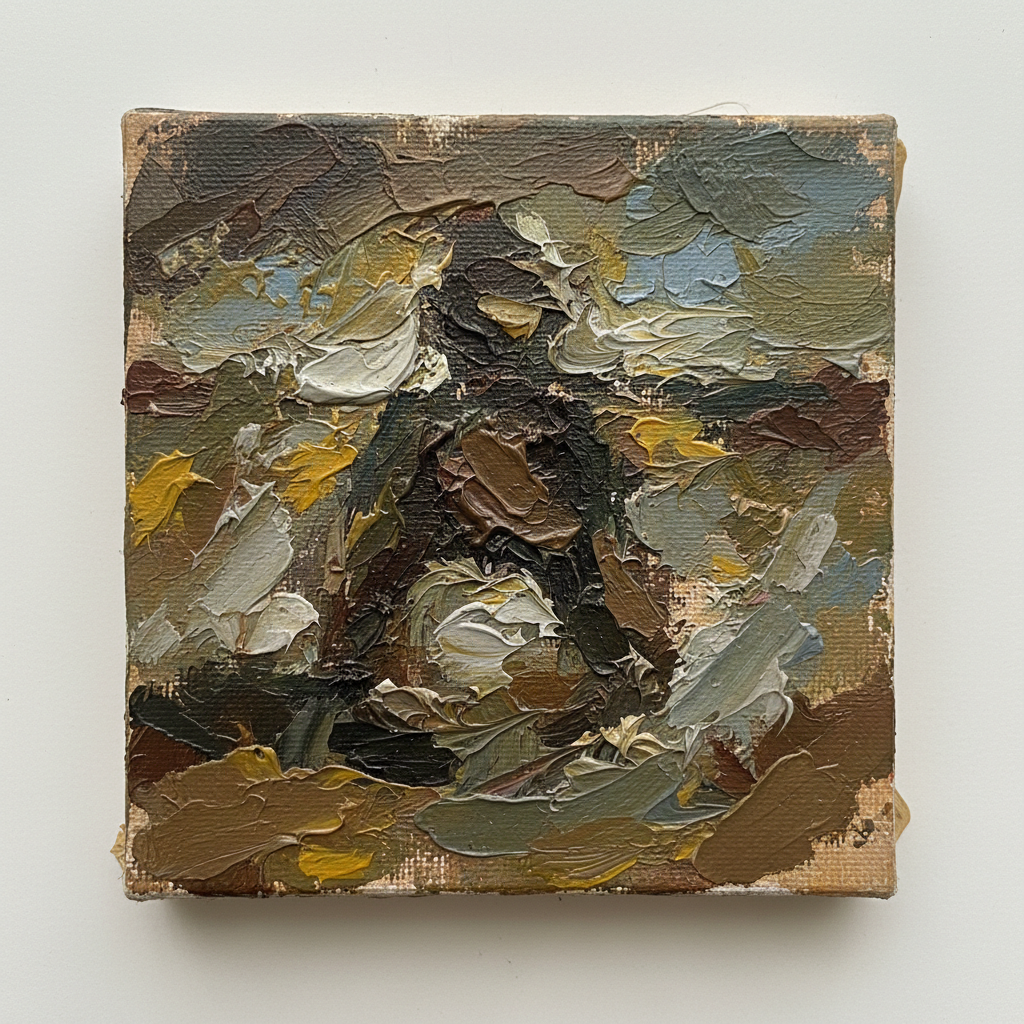
Rough oil painting study with muddy colors and unclear composition on a small canvas

Margaret's work before enrollment — self-described as "technically competent, spiritually inert."

Course Enrolled

Foundations of Oil: Light, Form, and Value

Elena Vasquez, MFA
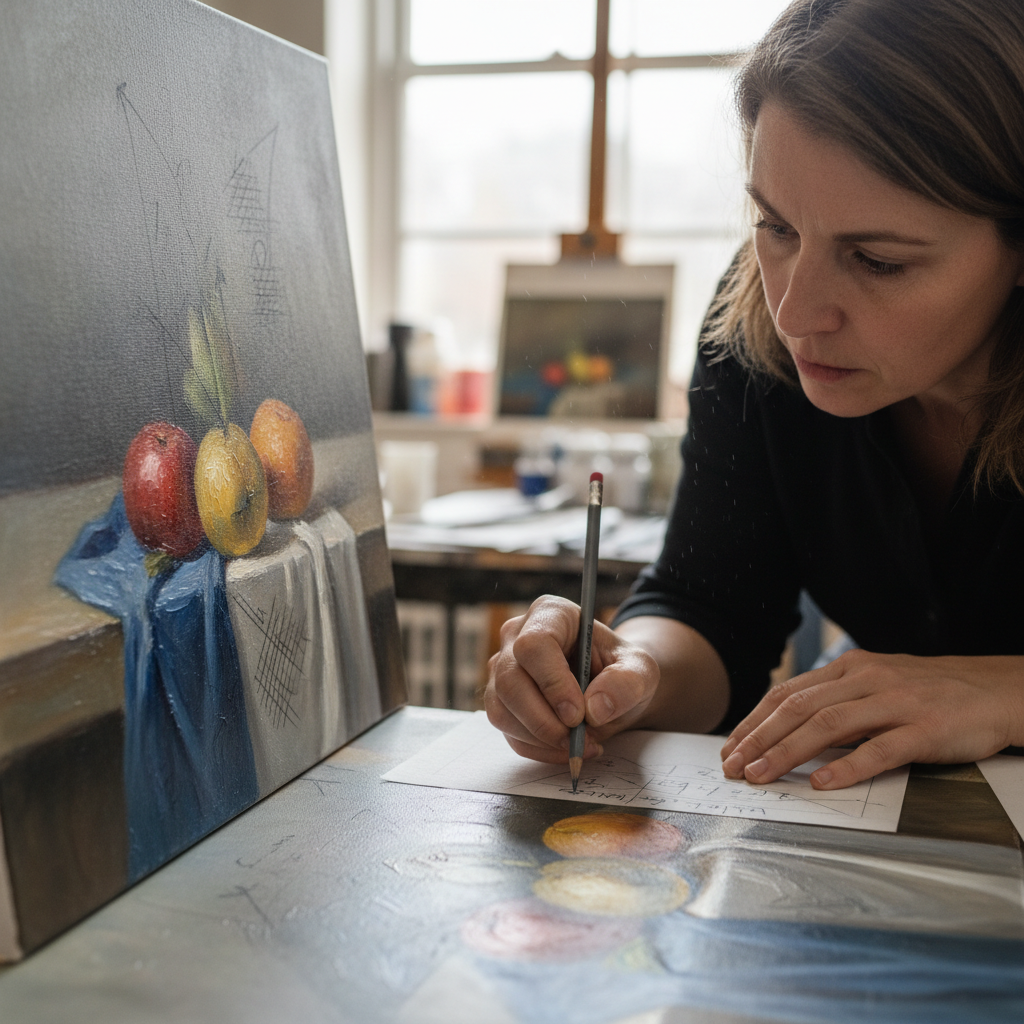
Artist instructor annotating a student oil painting with pencil marks showing value relationships and light direction
Instructor Note — Elena Vasquez, MFA

Elena teaches the same value-mapping exercise she learned under her own instructor at RISD — adapted for students working in kitchen light.

Week 3 exercise: single-source lamplight, white egg, grey cloth. The assignment is not the egg. The assignment is learning to see the shadow that belongs to the egg.
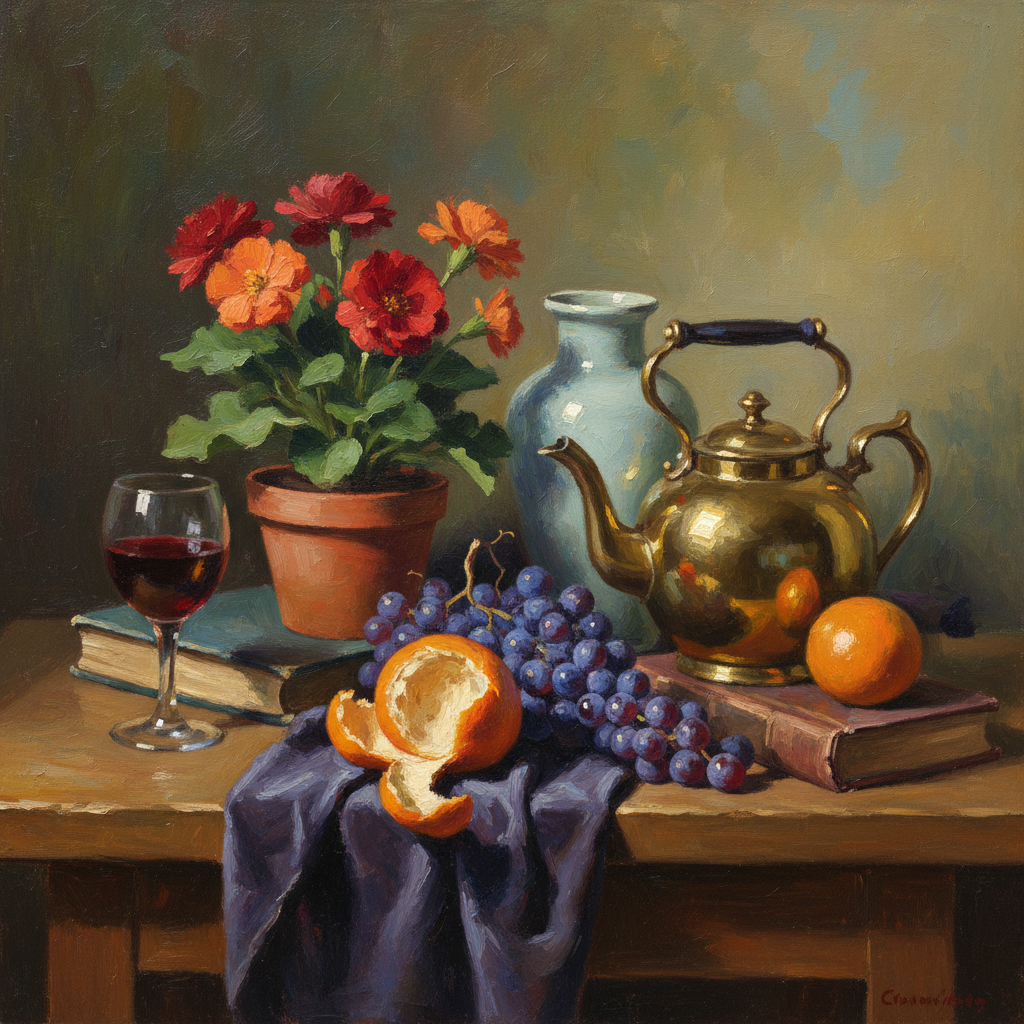
Completed oil painting still life with confident brushwork, clear value structure, and harmonious warm-cool color relationship
Outcome

Completed a 5-painting still life series. Two works accepted into the San Francisco Open Studios exhibition.

One semester, 4 hours/week

Find Your Starting Point →
02
Case 02

David Okonkwo

High school science teacher, Chicago

"I'd been painting for eight years by watching YouTube. My color kept going grey. I didn't know why."
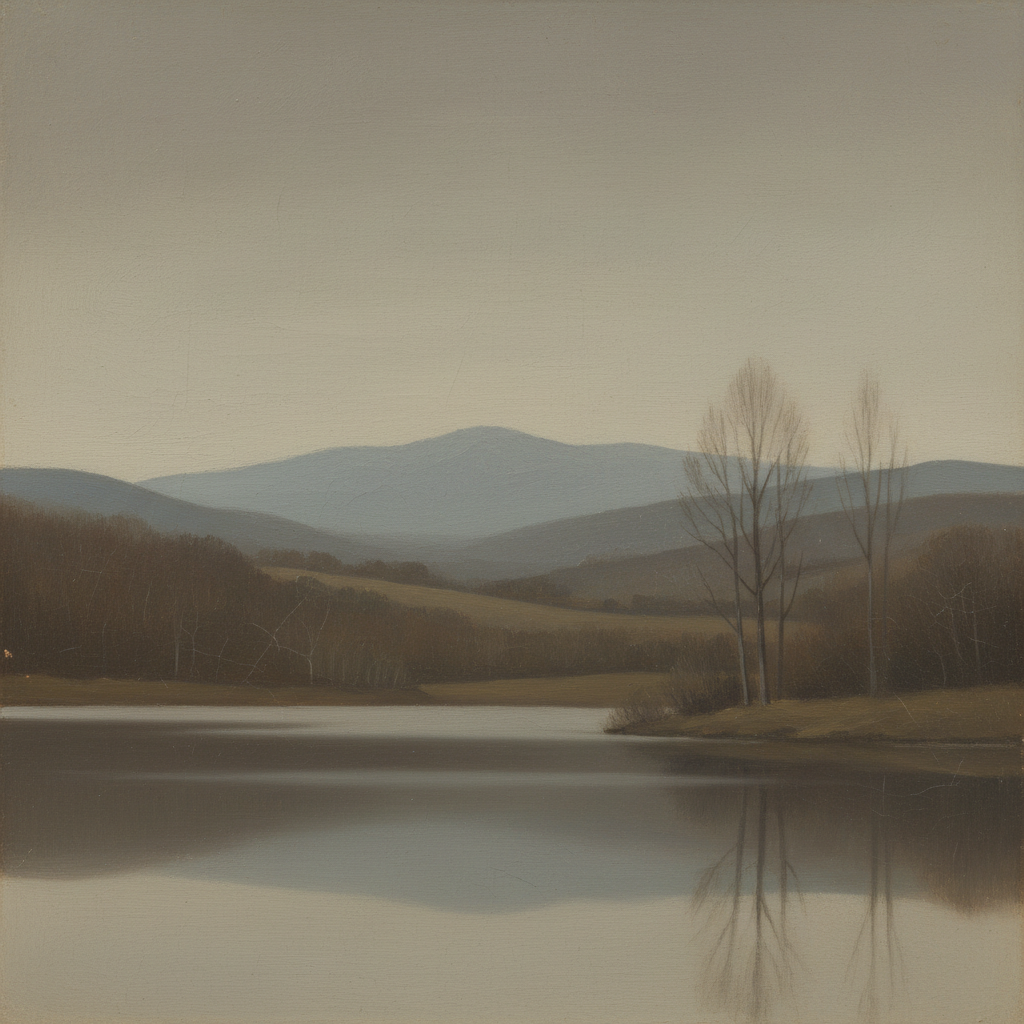
Oil painting landscape with desaturated colors and flat tonal range lacking depth and vibrancy

David's landscapes before the color theory intensive — technically skilled, chromatically muted.

Course Enrolled

Color Theory for Oil Painters: Temperature, Saturation, and Harmony

James Okafor, MFA Yale

Color mixing chart on palette showing warm and cool temperature relationships between oil paint colors
Instructor Note — James Okafor, MFA Yale

James spent three years studying Bonnard's color notes before he understood why warm shadows read as cold. He teaches it in the first week.

The grey problem is almost always a mixing problem. Students learn to route every mix through a temperature decision before touching the canvas.
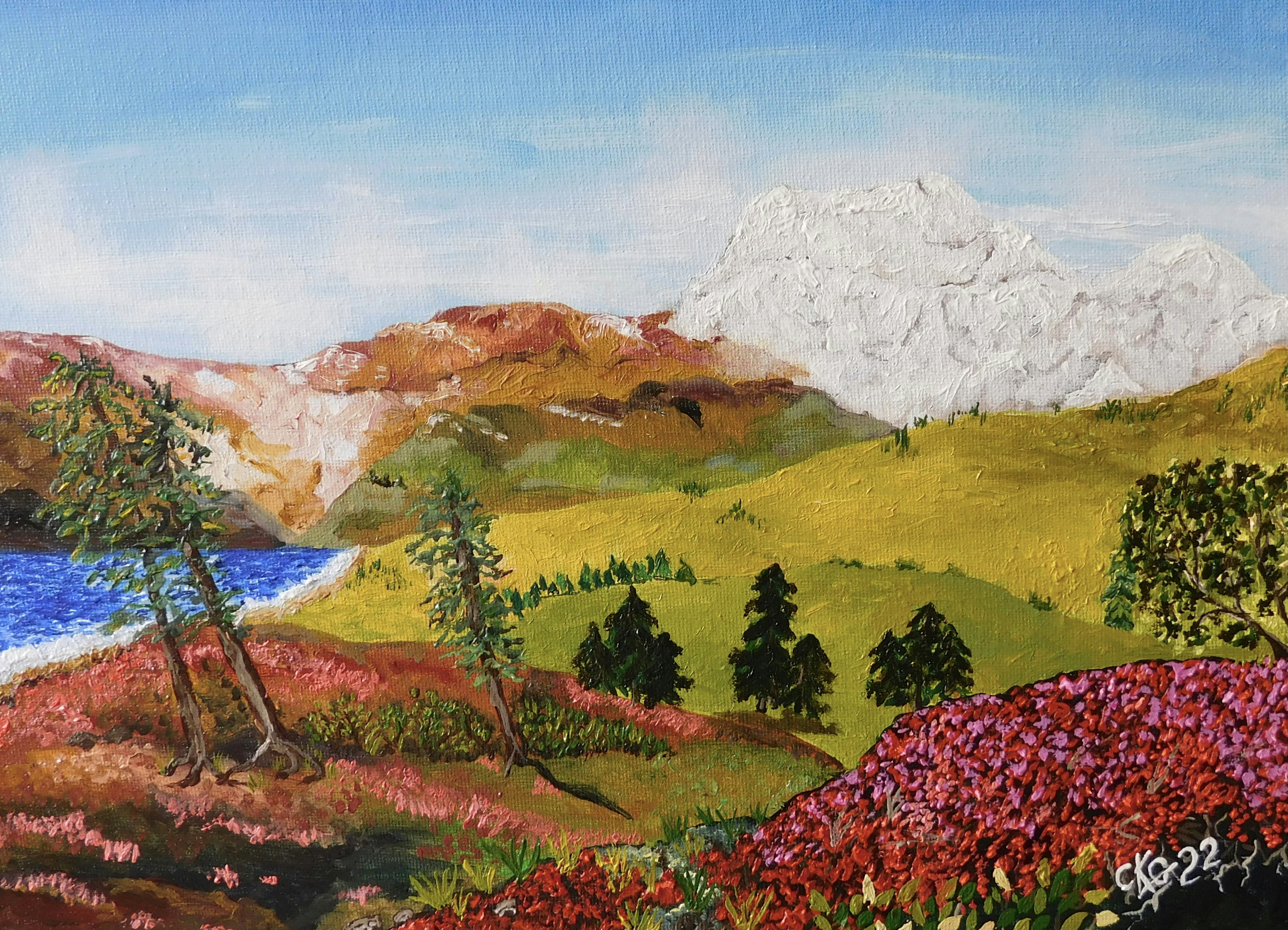
Vibrant oil painting landscape with luminous color temperature contrasts and rich atmospheric depth
Outcome

Exhibited at the Chicago Urban Arts Festival. Sold three works. Currently enrolled in Advanced Compositional Structure.

One semester, 6 hours/week

Find Your Starting Point →
03
Case 03

Ruth Abramowitz

Retired pediatric nurse, Portland

"I was 67 when I enrolled. I thought the other students would be kind about my work. Instead they were honest. That was the gift."
Hesitant oil painting portrait study with tentative marks and underdeveloped form structure

Ruth's first portrait study, week one — she called it "evidence of trying."

Course Enrolled

Figure and Portrait: Structure, Likeness, and Presence

Dr. Priya Nair, MFA Columbia
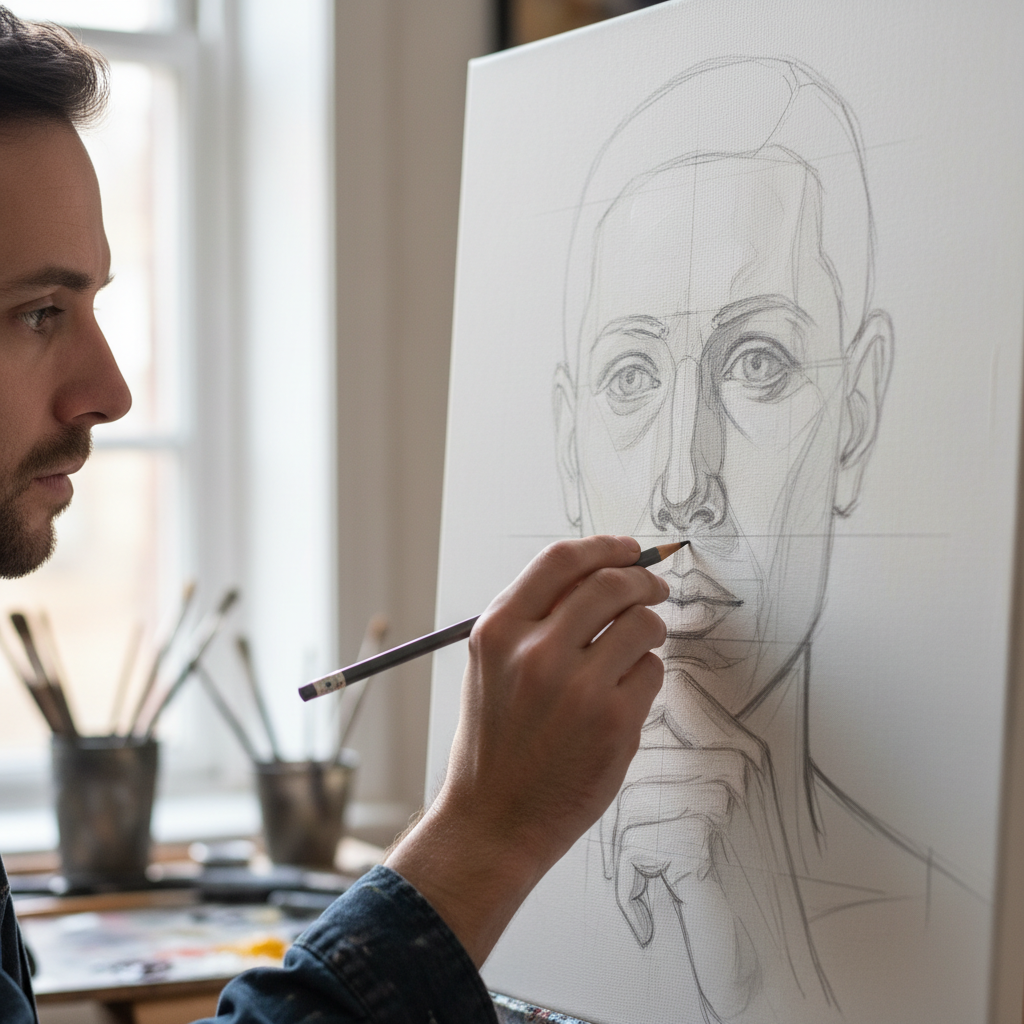
Instructor drawing structural lines and proportional guides over a portrait painting in progress
Instructor Note — Dr. Priya Nair, MFA Columbia

Priya spent a decade as a portrait painter before joining the faculty. Her critique style is surgical — no comfort, no cruelty, just precision.

The portrait is not the face. It's the decision behind the face. Students spend the first month on structure before they are allowed to paint a single recognizable feature.
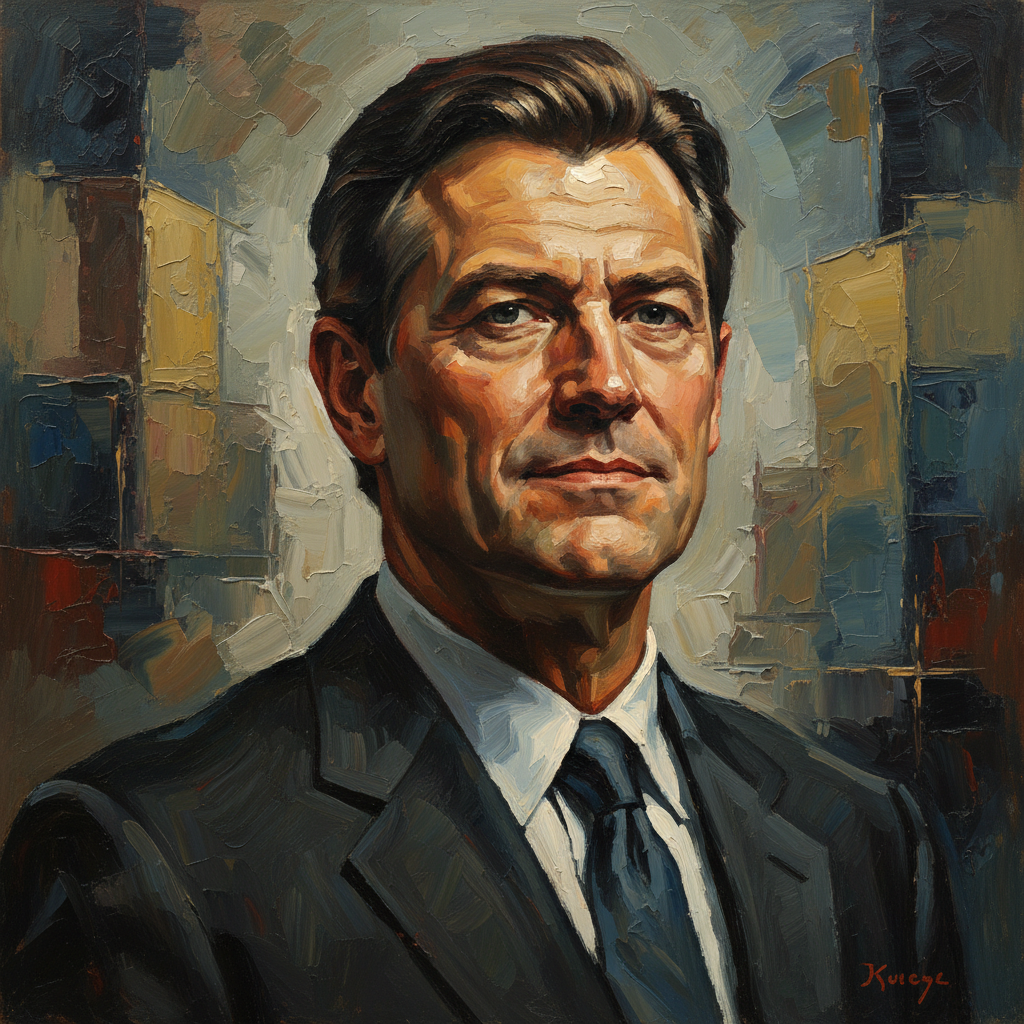
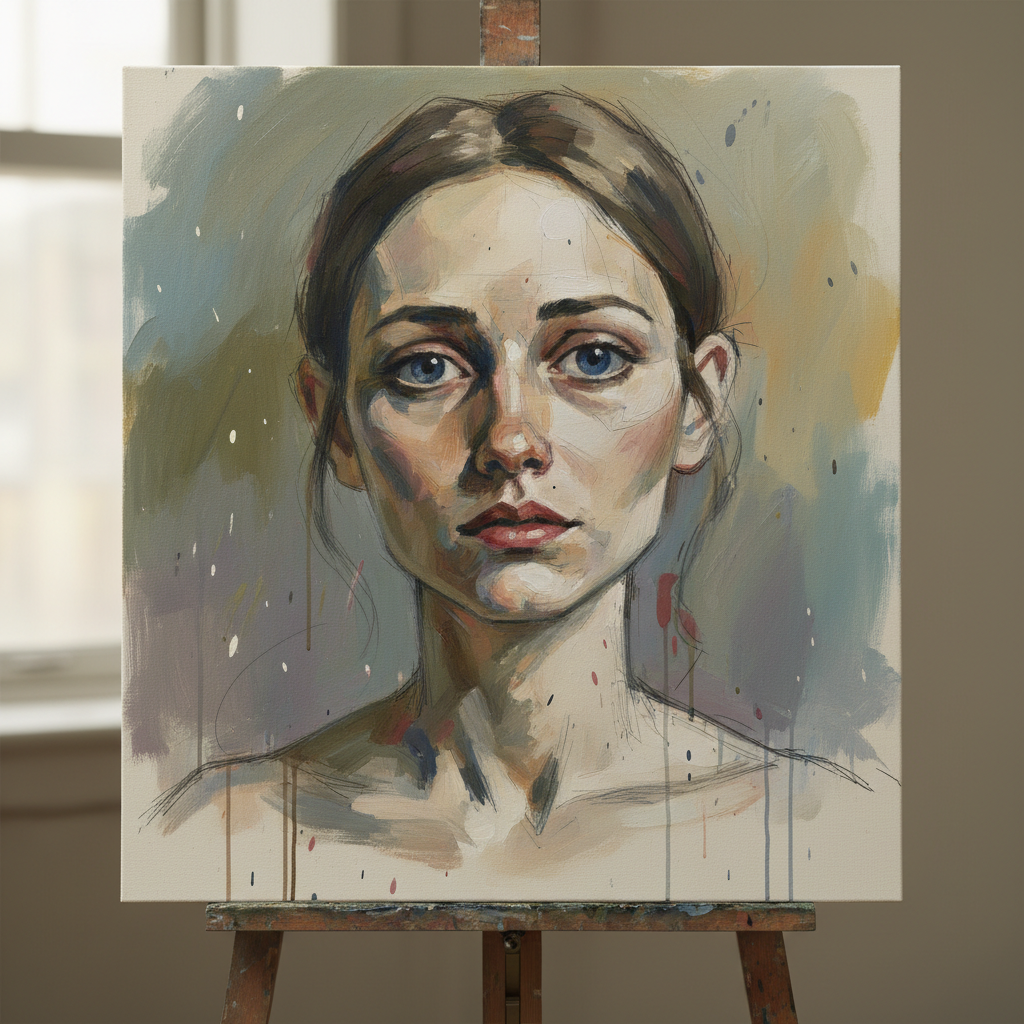
Confident oil portrait with strong structural foundation, expressive brushwork and compelling psychological presence
Outcome

Portfolio of 8 portraits accepted to the Oregon Biennial Juried Exhibition. Featured in Juried Excellence category.

Two semesters, 8 hours/week

Find Your Starting Point →
The Faculty

Working artists.
Not retired ones.

Every Atelier instructor maintains an active exhibition and commission practice. They teach because they have something specific to pass on — not because teaching is what they do instead.

Woman artist with paint-stained hands examining a still life setup in a bright studio
Foundations of OilAdvanced Still Life

Elena Vasquez

MFA, Rhode Island School of Design

Light, Value & Classical Still Life

Elena has exhibited at the Museum of Arts and Design in New York and maintains an active studio practice in San Francisco. She has taught foundations at RISD and the California College of the Arts.

12 yrs

Teaching

340+

Students

4 books

Published

Male artist standing before a large colorful landscape painting in a gallery setting
Color Theory IntensivePlein Air Landscape

James Okafor

MFA, Yale School of Art

Color Theory & Landscape

James spent three years in France studying the Impressionist color tradition before returning to teach at Yale. His work hangs in six museum collections. He teaches color as a language, not a technique.

9 yrs

Teaching

210+

Students

18

Exhibitions

Female artist with a thoughtful expression standing in a studio surrounded by portrait paintings
Figure & PortraitCompositional Structure

Dr. Priya Nair

MFA, Columbia University

Figure, Portrait & Compositional Structure

Priya maintained a portrait commission practice for a decade before joining the Atelier faculty. Her doctoral research focused on the pedagogy of likeness. Her critiques are known for precision that students describe as "finally being told the truth."

7 yrs

Teaching

180+

Students

22

Commissions

Your Assessment

Find Your Starting Point.

Five questions. No back-scrolling. At the end, you receive a named course recommendation, a specific instructor, and a sample lesson — built around where you actually are, not where you wish you were.